Palladin: A Strategic Asset for Intentional Brand Storytelling
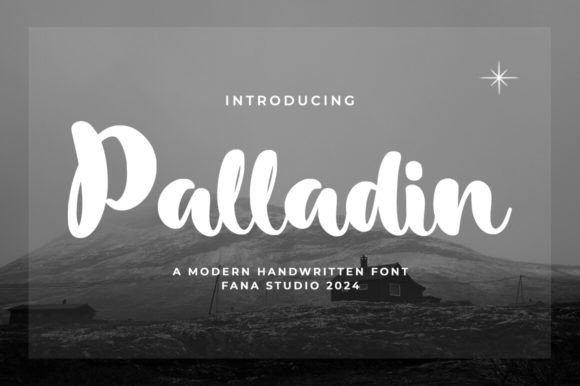
In a digital landscape saturated with uniformity, the decision to incorporate Palladin into your visual identity is rarely just an aesthetic choice; it is a strategic move toward distinctiveness. This script typeface offers a level of typographic elegance that transcends mere decoration, serving as a powerful tool for entrepreneurs, creators, and professionals seeking to elevate their communication. When deployed with clear intent, Palladin transforms standard documents into compelling narratives, bridging the gap between professional credibility and personal connection.
The value of this font lies not in its novelty, but in its ability to convey human touch within automated systems. Whether you are crafting a wedding invitation suite or designing product packaging for a boutique brand, the handwriting taste inherent in Palladin signals authenticity. In an era where consumers crave genuine interaction, using a typeface that mimics the fluidity of a pen on paper can significantly enhance perceived value and emotional resonance.
Defining the Strategic Value of Palladin
To understand why Palladin warrants consideration in your next project, one must look beyond the visual appeal and examine the psychological impact of handwritten typography. Unlike rigid sans-serif fonts that communicate efficiency and cold logic, or traditional serifs that suggest established history, script fonts like Palladin occupy a unique space of approachability and artistry. They imply that a human hand was involved in the creation of the message, fostering trust and intimacy.
This typeface is particularly effective for projects requiring a high degree of customization. Its gorgeous character set allows for variations in weight and style that can be tailored to specific brand voices. For a small business owner launching a new line of artisanal goods, using Palladin on labels can instantly differentiate the product from mass-produced competitors. It suggests craftsmanship and attention to detail, qualities that modern consumers are willing to pay a premium for.
Furthermore, the versatility of Palladin extends across various mediums. From social media posts designed to stop the scroll to formal stationery used for client correspondence, the font adapts to the context without losing its core identity. This adaptability makes it a cost-effective solution for businesses looking to maintain a cohesive brand image across diverse channels without needing multiple typefaces.
Applications in Branding and Identity
- Logo Design: The fluid strokes of Palladin create memorable logotypes that stand out in crowded marketplaces. It is ideal for brands in the lifestyle, beauty, and creative sectors where personality is paramount.
- Brand Stationery: Business cards, letterheads, and envelopes printed with this script add a layer of sophistication. It elevates the first impression a client receives, setting a tone of professionalism mixed with warmth.
- Product Packaging: On labels and boxes, Palladin can serve as a primary design element, turning functional packaging into a marketing asset that tells a story before the product is even opened.
Aligning Typography with Business Goals
Strategic design is never about following trends; it is about aligning visual elements with specific business objectives. When planning a rebrand or launching a new campaign, asking "What do we want to achieve?" should precede "Which font looks nice?". If your goal is to position a service as exclusive and high-end, such as luxury event planning or bespoke consulting, Palladin acts as a visual shorthand for quality.
However, if your objective is to communicate speed, reliability, and technical precision, this script may not be the right tool. The key to success with Palladin is intentionality. It should be used to highlight specific messages rather than to fill every inch of available space. For instance, using the script for headlines or key quotes while pairing it with a clean, legible sans-serif for body text creates a balanced hierarchy. This approach guides the reader's eye and ensures that the message is received clearly.
Consider the user experience when integrating this font. On digital platforms, readability is critical. While Palladin is beautiful, complex scripts can sometimes struggle on small screens or low-resolution displays. A strategic approach involves testing the font across different devices and contexts. Ensure that the contrast is sufficient and that the spacing allows for easy reading. By prioritizing usability alongside aesthetics, you ensure that the design supports your long-term goals rather than hindering them.
Enhancing Customer Experience Through Design
Every touchpoint in the customer journey offers an opportunity to reinforce your brand promise. Using Palladin in email newsletters, thank-you notes, or special occasion invitations can transform routine interactions into memorable experiences. This attention to detail fosters loyalty and encourages word-of-mouth referrals. When a customer feels that a brand has gone the extra mile in their design choices, they are more likely to view the company as trustworthy and caring.
Planning Your Use of Palladin
Before committing to a full-scale implementation of this typeface, a thorough planning process is essential. Start by defining the role Palladin will play in your overall design system. Will it be the primary voice of the brand, or a supporting accent? Clear definitions prevent design drift and ensure consistency over time.
Create a mood board that explores how Palladin interacts with other visual elements such as color palettes, imagery, and layout structures. Observe how the curves of the letters complement or clash with the shapes in your photography or illustrations. This preparatory work helps identify potential issues early, saving time and resources during the execution phase.
- Define the Context: Determine where the font will appear most frequently. Is it for print, web, or both? Print allows for higher resolution and finer details, while web requires careful consideration of loading times and scalability.
- Select the Right Weight: Palladin often comes in various weights. Choose the version that best suits your content density. Lighter weights work well for elegant headers, while bolder versions can handle larger display text.
- Establish Pairing Rules: Decide which fonts will accompany Palladin. A neutral sans-serif usually provides the best contrast, ensuring that informational text remains legible while the script adds flair.
- Test Accessibility: Ensure that the text remains readable for users with visual impairments. Avoid using the script for long paragraphs of text, as it can strain the eyes and reduce comprehension.
Practical Examples for Decision Makers
Imagine a photographer launching a portfolio website. By using Palladin for the artist's name and section headers, they immediately establish a creative and personal brand identity. However, keeping the project descriptions in a simple, clean font ensures that potential clients can quickly find the information they need. This balance demonstrates an understanding of both art and function.
Similarly, a freelancer creating proposals for corporate clients might use Palladin for the cover page to make a strong first impression, then switch to a standard font for the detailed terms and conditions. This strategy shows creativity without sacrificing professionalism. It proves that the designer understands the nuances of corporate communication.
Risks and Considerations in Implementation
While the benefits of Palladin are significant, relying on it without a clear strategy can lead to negative outcomes. The primary risk is overuse. When a decorative font is applied indiscriminately, it can clutter the design and obscure the message. Readers may struggle to distinguish between important information and stylistic flourishes, leading to confusion and disengagement.
Another consideration is cultural appropriateness. Script fonts carry connotations that vary by industry and region. In some contexts, they may be seen as too casual or unprofessional. It is crucial to research your target audience and understand their expectations before finalizing a design. What works for a wedding planner may not resonate with a financial advisor.
Technical limitations also play a role. If the font files are not optimized, they can slow down website performance, negatively impacting SEO and user retention. Always ensure that you are using the correct file formats and that the font is properly hosted. Additionally, verify that the license allows for your intended use, whether it is commercial printing, digital distribution, or modification.
Avoiding Common Pitfalls
- Ignoring Legibility: Never sacrifice clarity for style. If the text is hard to read, the design has failed its primary purpose.
- Mixing Too Many Styles: Limit your palette to two or three typefaces. Combining Palladin with multiple other scripts or conflicting styles creates visual chaos.
- Neglecting Hierarchy: Ensure that the most important information stands out. Do not let the decorative nature of the font distract from the core message.
Long-Term Value and Adaptability
Investing in Palladin is an investment in the longevity of your brand's visual identity. Good typography endures because it communicates effectively across generations. As long as there is a desire for human connection and artistic expression, a well-chosen script like Palladin will remain relevant. It offers a timeless quality that avoids the fleeting nature of trendy design elements.
By approaching this font with a mindset of strategic utility, you ensure that it serves your business goals rather than dictating them. Whether you are a blogger looking to personalize your blog headers, a marketer designing a campaign for a special event, or a publisher creating a book cover, Palladin provides the flexibility needed to adapt to changing needs while maintaining a consistent brand voice.
Ultimately, the decision to use Palladin should be driven by a clear vision of the outcome you wish to achieve. When used thoughtfully, it becomes more than just a font; it becomes a vital component of your communication strategy, helping you connect with your audience on a deeper, more meaningful level. By focusing on the practical application of these typographic assets, you empower yourself to create designs that are not only beautiful but also effective in driving real-world results.