Churchward Supascript: The Art of Delicate Typography in Modern Design
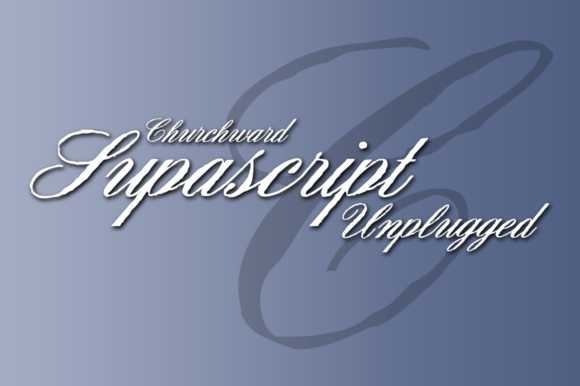
In a digital landscape often dominated by bold, blocky sans-serifs and rigid geometric structures, there remains a profound need for something softer, more human, and undeniably graceful. This is where Churchward Supascript steps onto the stage. It is not merely another font file to download; it represents a shift back towards the tactile elegance of handwritten correspondence, reimagined for the high-resolution demands of today's screens. Defined by its smooth curves and delicate structure, this cursive script offers a visual language that whispers rather than shouts, making it an essential tool for professionals who understand the power of nuance in branding.
The relevance of Churchward Supascript extends far beyond simple decoration. In an era where consumers are bombarded with generic content, typography that feels curated and intentional stands out. Whether you are a fashion entrepreneur launching a new line, a blogger crafting an editorial piece, or a freelancer designing a wedding invitation suite, the choice of typeface sets the emotional tone before a single word is read. Churchward Supascript brings a sense of sophistication and timelessness that modern audiences crave but often struggle to find in standard library fonts.
The Evolution of Cursive in Digital Workflows
Typography trends have always been cyclical, yet the integration of script fonts into professional workflows has evolved significantly over the last decade. For years, cursive was relegated to casual notes or niche artistic projects, often dismissed as too difficult to read on small mobile devices. However, as screen resolution has improved and design tools have become more sophisticated, the barrier to using elegant scripts has lowered dramatically.
Today, users expect brands to communicate with personality. A business website no longer needs to look like a spreadsheet; it can feel like a boutique experience. Churchward Supascript fits perfectly into this modern expectation. Its smooth curves are optimized for legibility while retaining the fluidity of hand-lettering. This balance is crucial for creators who want to maintain a connection with their audience without sacrificing clarity. As remote work and digital nomadism become the norm, the demand for personal branding has skyrocketed, and typography is one of the most effective ways to establish a unique voice.
Furthermore, the rise of "slow design" movements reflects a growing fatigue with fast-paced, industrial aesthetics. People are seeking warmth and authenticity in their digital interactions. Churchward Supascript answers this call by mimicking the imperfections and flow of a pen on paper, even though it exists purely in code. It bridges the gap between the analog past and the digital future, offering a bridge for designers who wish to honor tradition while embracing innovation.
Why Smooth Curves Matter in Brand Identity
The specific character of Churchward Supascript lies in its geometry. Unlike chaotic scribbles or overly ornate Victorian scripts, this font relies on consistent, flowing lines that guide the eye naturally across the page. These smooth curves create a psychological effect of calmness and approachability. When a brand uses such a typeface, it signals that they value detail, care, and quality.
This is particularly vital for industries where trust and aesthetic appeal are paramount. Consider the world of fashion. High-end clothing labels often rely on subtle cues to convey luxury. A logo set in a harsh, angular font might suggest durability and strength, but a logo rendered in Churchward Supascript suggests refinement and exclusivity. The font's ability to handle both uppercase and lowercase letters with grace allows for versatile applications, from full-page headlines to subtle watermarks on product packaging.
Similarly, in editorial design, the rhythm of the text is everything. Readers engage with long-form content differently than they do with social media captions. They need a font that keeps them turning pages without causing eye strain. The delicate nature of Churchward Supascript provides a gentle reading experience, allowing the content to shine while adding a layer of stylistic flair that separates a magazine layout from a generic blog post.
Practical Applications for Creators and Businesses
For the practical-minded professional, knowing how to apply Churchward Supascript effectively is just as important as knowing what it looks like. The key to success lies in restraint and context. Adding it confidently to your projects does not mean using it everywhere; it means using it where it adds the most value.
- Fashion Branding: Use the font for logos, lookbook titles, or campaign slogans. Pair it with clean, minimalist imagery to let the typography take center stage. The contrast between the complex script and simple photography creates a dynamic visual hierarchy.
- Editorial Designs: Ideal for pull quotes, section headers, or bylines in magazines and blogs. Avoid using it for body text unless the article is short and the audience is specifically looking for a narrative style.
- Event Invitations: Weddings, galas, and exclusive workshops benefit immensely from the romantic and formal tone of this script. It elevates the perceived value of the event instantly.
- Product Packaging: For artisanal goods like perfumes, organic skincare, or gourmet foods, Churchward Supascript can add a touch of craftsmanship that mass-produced fonts cannot replicate.
However, the most successful implementations often involve pairing. Churchward Supascript is rarely meant to stand alone. It pairs beautifully with sturdy serif fonts for body copy, creating a classic juxtaposition of elegance and reliability. Alternatively, a neutral sans-serif can provide a modern counterpoint, grounding the script so it doesn't feel outdated. This versatility ensures that the font remains relevant regardless of the specific project requirements.
Navigating Technical Challenges
While the aesthetic benefits are clear, integrating Churchward Supascript requires a bit of technical know-how. Because it is a script font, kerning (the spacing between individual letters) is critical. Automatic kerning in some software may not catch every nuance, leading to letters that appear too close or awkwardly spaced. Designers must be willing to manually adjust these spaces to ensure the flow remains uninterrupted.
Additionally, responsiveness is a major consideration. On very small screens, such as smartwatches or narrow mobile views, intricate details can get lost. In these cases, it is wise to simplify the application—perhaps using the font only for the largest headings or switching to a simpler alternative for sub-text. Being mindful of these constraints demonstrates a level of expertise that clients and employers appreciate. It shows that you are not just applying a trend, but solving design problems with intention.
The Future of Elegant Typography
As we move further into a future driven by artificial intelligence and automated design tools, the human element becomes even more precious. AI can generate layouts and images at lightning speed, but it struggles to capture the subtle emotional resonance of a well-crafted script. Fonts like Churchward Supascript represent the enduring value of human artistry in a machine-made world.
The market is shifting towards hyper-personalization. Consumers want brands that feel like they were made specifically for them. A custom-tuned use of Churchward Supascript can achieve this feeling of bespoke creation. As web technologies continue to evolve, supporting variable fonts and better rendering engines, the potential for script fonts to perform flawlessly across all devices will only increase.
For educators and mentors, this presents an opportunity to teach the next generation of designers about the importance of typographic empathy. Understanding why a font works, how it makes a user feel, and when to deploy it are skills that go beyond software proficiency. Churchward Supascript serves as an excellent case study in these principles, illustrating how form and function can coexist harmoniously.
Ultimately, the decision to use Churchward Supascript is a statement of intent. It declares that the creator cares about the details, that they believe in the power of beauty, and that they are willing to invest time to ensure the final result is exceptional. By understanding its history, respecting its mechanics, and applying it with confidence, designers can unlock results that truly resonate. Whether you are building a global fashion empire or a personal portfolio, adding this delicate, cursive, and elegant script to your toolkit is a step towards a more refined and impactful creative practice. You will love the results, not just because the font looks good, but because it connects with people on a deeper, more intuitive level.