Why Aloka Gikairo Is the Secret Weapon for High-End Branding
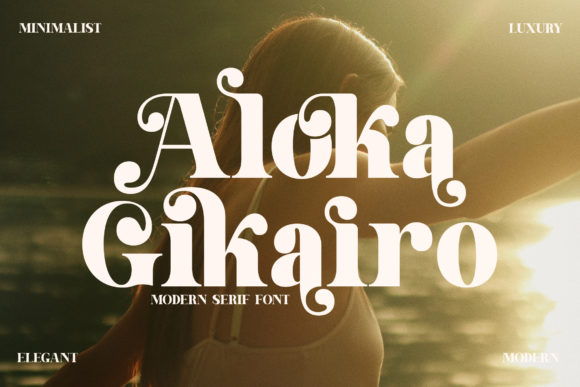
In a digital landscape saturated with generic sans-serifs and predictable display fonts, finding a typeface that commands attention without screaming for it is a rare victory. Aloka Gikairo steps into this arena not just as another option in your font library, but as a sophisticated tool designed to elevate visual storytelling. This stylish and serif script font bridges the gap between formal elegance and fluid, hand-crafted movement. Its distinct and well balanced letters make this font a masterpiece for designers who refuse to compromise on character.
What truly sets this typeface apart isn't merely its aesthetic appeal; it is the technical architecture that powers it. Being PUA encoded means you can access all of the amazing glyphs and ligatures with ease, unlocking a level of customization that standard OpenType features often struggle to provide. Whether you are curating a wedding invitation suite or rebranding a boutique coffee shop, understanding how to leverage these unique characteristics changes the entire trajectory of your project.
The Art of Access: Unlocking PUA Encoding
For many creative professionals, the term "PUA encoded" might sound like technical jargon reserved for backend developers. However, in practice, it represents a significant advantage for anyone working with custom typography. Standard fonts often limit the number of available characters, forcing designers to choose between using a basic alphabet or hunting for workarounds to include special symbols.
Aloka Gikairo solves this friction by utilizing the Private Use Area of the Unicode standard. This encoding method allows the font to house an extensive collection of alternate glyphs, swashes, and contextual ligatures that wouldn't fit in a standard character set. When you open this font in your design software, you aren't just seeing a list of A through Z; you are looking at a vast palette of stylistic choices.
Imagine you are designing a menu for an upscale restaurant. You want the word "Signature" to flow seamlessly into the next line, perhaps with a decorative flourish connecting the 'i' to the 'g'. With standard fonts, you might have to manually insert a separate graphic element or settle for a clumsy workaround. With Aloka Gikairo, those connections happen naturally. The PUA encoding ensures that these ligatures are always accessible, allowing the text to breathe and move exactly as a human hand would write it. This capability transforms dry text into dynamic art, making it invaluable for projects where every pixel counts.
Real-World Applications Across Industries
The versatility of Aloka Gikairo extends far beyond simple decoration. Its distinct and well balanced letters make this font a masterpiece because it adapts to various contexts without losing its core identity. Let's explore how different sectors are leveraging this typeface to connect with their audiences.
Weddings and Event Planning
The wedding industry relies heavily on emotion and personalization. Couples today are moving away from rigid, traditional templates toward bespoke designs that reflect their unique personalities. Aloka Gikairo fits perfectly here. It brings a sense of timelessness to save-the-dates, programs, and table settings. The serif elements ground the design in tradition, while the script nature adds a touch of romance and fluidity. Because the font handles ligatures so gracefully, long words like "celebration" or "eternity" look organic rather than forced, creating an inviting atmosphere for guests before they even arrive.
Fashion and Beauty Brands
In the world of fashion and cosmetics, packaging is the first point of contact between a product and a consumer. A lipstick tube or a perfume bottle needs to whisper luxury. Using a generic script can sometimes feel cheap or mass-produced. Aloka Gikairo offers a more refined alternative. The balance of thick and thin strokes mimics the precision of calligraphy pens used by high-end illustrators. Designers use this font on social media graphics for product launches, ensuring that the brand voice feels both exclusive and approachable. The ability to mix and match glyphs allows brands to create subtle variations for different product lines while maintaining a cohesive family identity.
Lifestyle Blogging and Content Creation
For content creators in the lifestyle niche—covering topics like home decor, travel, or food—the visual hierarchy of a blog post is crucial. Readers scan content quickly, and typography plays a massive role in guiding their eyes. Headlines written in Aloka Gikairo act as visual anchors. They stop the scroll and invite the reader to engage. Unlike overly ornate scripts that become unreadable at smaller sizes, the distinct structure of this font ensures legibility even when paired with body text. This makes it ideal for headers in email newsletters, Instagram story overlays, and YouTube thumbnails.
Navigating Limitations and Best Practices
While Aloka Gikairo is a powerful asset, no single font is a universal solution. Understanding its strengths also means acknowledging where it should be used sparingly. The very qualities that make it a masterpiece—its intricate details and flowing ligatures—can become obstacles if applied incorrectly.
One common consideration is readability in small sizes. Script fonts, by nature, require more white space and larger point sizes to maintain clarity. If you try to compress Aloka Gikairo into a tiny footnote or a dense block of legal text, the fine details will disappear, and the PUA-encoded ligatures may cause spacing issues. It is best reserved for headlines, pull quotes, logos, and short captions rather than long-form body copy.
Another factor to consider is the pairing strategy. Because Aloka Gikairo has such a strong personality, it demands a neutral partner. Pairing it with another script or a highly decorative serif can result in visual chaos. Instead, pair it with clean, geometric sans-serifs or understated serifs. This contrast allows the script to shine without competing for attention. For instance, using a crisp Helvetica or a modern grotesque for body text creates a perfect backdrop that lets the elegance of Aloka Gikairo take center stage.
Additionally, while the PUA encoding offers incredible flexibility, it requires the user to be comfortable navigating font menus. Not all users know how to access specific glyphs within the Private Use Area. For clients or collaborators who are less tech-savvy, it is helpful to pre-set the most common ligatures and styles so they don't get lost in the options. Providing a style guide that includes examples of how to use the font correctly can prevent misapplication and ensure the final output matches the designer's vision.
Making the Right Choice for Your Project
When selecting a typeface, the goal is never just to find something that looks good in isolation. It is about finding a tool that serves the message. Aloka Gikairo is not for everyone, nor should it be. It shines brightest when the project requires a blend of sophistication and artistic flair. If your goal is to convey speed, efficiency, or minimalism, this font might miss the mark. But if you are aiming to evoke warmth, creativity, and high-quality craftsmanship, it becomes an indispensable resource.
The decision to incorporate Aloka Gikairo into your workflow is ultimately about intentionality. Are you trying to tell a story? Do you want your audience to pause and appreciate the details? By focusing on these real-world scenarios, you can determine if this font aligns with your specific needs. Remember, the best design solutions come from understanding the tool as much as the task at hand.
Whether you are a seasoned graphic designer looking to expand your toolkit or a business owner seeking to refresh your brand's image, taking the time to explore the capabilities of Aloka Gikairo can yield remarkable results. Its distinct and well balanced letters make this font a masterpiece that, when used with care and creativity, can transform ordinary communications into memorable experiences. As you move forward with your next project, keep the potential of this typeface in mind—it might just be the missing piece that ties your entire visual narrative together.