Buchin: The Sweet Script for Playful and Romantic Design Workflows
In the landscape of digital design, typography often serves as the silent architect of mood. While sans-serif fonts dominate corporate dashboards and technical documentation, there exists a specific niche where personality takes precedence over utility. This is where Buchin enters the conversation. Described fundamentally as a sweet script, Buchin is not merely a decorative element; it is a strategic tool designed to inject a playful and romantic vibe into any design idea. For professionals ranging from freelance marketers to small business owners, understanding how to integrate this typeface into broader workflows can significantly elevate brand perception and user engagement.
Defining Buchin Within the Design Ecosystem
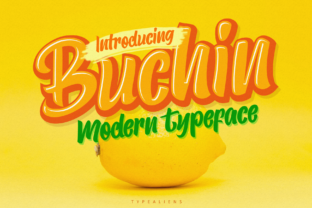
To utilize Buchin effectively, one must first understand its structural character. Unlike rigid geometric typefaces that prioritize readability in dense data tables, Buchin mimics the fluidity of hand-lettering with a distinct sweetness. Its curves are soft, its connections are deliberate, and its overall aesthetic evokes feelings of intimacy and joy. In a professional setting, this font sits comfortably alongside more utilitarian assets, acting as the emotional anchor of a project.
The versatility of Buchin lies in its ability to bridge the gap between formal business communication and personal storytelling. It is perfect for adding a playful and romantic vibe to any design idea, whether that involves a wedding invitation suite, a boutique e-commerce landing page, or a creative portfolio introduction. By selecting Buchin, designers acknowledge that the visual tone of a project is just as critical as the information being conveyed. It signals to the audience that they are entering a space curated with care and affection.
Strategic Integration Before the Project Begins
Effective implementation begins long before the first letter is typed. During the planning phase of a creative process, the decision to use Buchin should be driven by the intended emotional outcome. If a project aims to foster connection, celebrate a milestone, or highlight artisanal quality, Buchin becomes a primary asset in the preparation stage. Professionals should consider compatibility early on; does this script harmonize with the existing brand guidelines? Can it coexist with the necessary functional fonts without creating visual chaos?
Preparation also involves gathering the right resources. Ensure that the file formats (such as OTF or TTF) are compatible with the software stack being used, whether it is Adobe Creative Cloud, Figma, or web-based editors. A seamless workflow requires that the font renders correctly across all intended platforms. When organizing assets, create a dedicated folder for "Script & Decorative" elements. This keeps the project structure clean and ensures that Buchin is easily accessible when inspiration strikes during the execution phase.
Executing Buchin in Active Workflows
Once the project moves into the execution phase, the role of Buchin shifts from concept to tangible output. It is most impactful when used strategically rather than ubiquitously. Overusing a script font can lead to readability issues, particularly in body text or complex layouts. Instead, treat Buchin as a spotlight for key messages. Use it for headlines, pull quotes, call-to-action buttons, or signature blocks where the goal is to capture attention and evoke a specific feeling.
In a marketing context, Buchin can transform a standard promotional email. Imagine a newsletter from a lifestyle brand announcing a new product line. Replacing the standard header with a Buchin headline immediately sets a warmer, more inviting tone. This interaction with other content elements—images, bullet points, and standard paragraphs—creates a dynamic rhythm. The contrast between the structured body text and the flowing script guides the reader's eye, making the content feel less like a directive and more like a personal note.
For educators and bloggers, Buchin offers a unique opportunity to humanize educational materials. When creating course introductions, certificates, or blog post titles, the font adds a layer of approachability. It suggests that the learning experience is tailored and thoughtful. Similarly, freelancers and publishers can use it to differentiate their work from generic templates. In a crowded marketplace, the subtle choice of typography can be the differentiator that makes a client feel understood and valued.
Navigating Compatibility and Usability
While Buchin is powerful, its integration requires careful consideration of usability factors. One of the primary challenges with script fonts is legibility at smaller sizes or lower resolutions. To maintain efficiency and quality control, test the font across various devices and screen sizes. What looks elegant on a high-resolution desktop monitor might become illegible on a mobile device if the stroke weight is too thin or the spacing is too tight.
Consistency is another critical factor in long-term use. If Buchin is chosen as a core part of a brand identity, it must be applied consistently across all touchpoints. This includes social media graphics, website headers, printed collateral, and video overlays. Inconsistency can dilute the romantic and playful vibe, leading to a fragmented user experience. Establish clear usage rules within your team or workflow documents. Define minimum font sizes, appropriate line heights, and color contrasts that ensure the script remains readable while retaining its aesthetic charm.
Enhancing Outcomes Through Thoughtful Application
The ultimate goal of integrating Buchin into any workflow is to enhance the final outcome. Whether the objective is to increase conversion rates on a sales page, improve the perceived value of a service, or simply make a design feel more complete, the font plays a pivotal role. It interacts with other decisions, such as color palette selection and imagery choices. Buchin pairs exceptionally well with soft pastels, warm earth tones, and high-quality photography that features natural light.
Consider the scenario of a small business owner launching a handmade jewelry line. Using Buchin for the logo and product descriptions creates an immediate narrative of craftsmanship and romance. It tells the customer that each piece is made with love, reinforcing the purchase decision. This psychological impact is difficult to achieve with more sterile typefaces. The font becomes a silent salesperson, working in the background to build trust and desire.
Furthermore, Buchin can facilitate better organization in creative processes. By assigning specific roles to different typefaces, teams can streamline their approval processes. If the brief states that "Buchin is reserved for emotional highlights," the designer knows exactly where to apply it, reducing back-and-forth revisions. This clarity improves efficiency and ensures that the final deliverable aligns perfectly with the initial vision.
Long-Term Value and Adaptability
Sustainability is a key consideration for any design asset. Buchin is not just a trend; it is a versatile tool that can adapt to evolving design needs. As projects grow and change, the font's ability to scale and remain relevant ensures long-term value. It can be used in a minimalist layout one year and in a more ornate, layered design the next, provided the hierarchy is maintained.
For productivity-minded users, the time saved on finding the right "voice" for a design is significant. Instead of searching for stock images or custom illustrations to convey warmth, a simple switch to Buchin can achieve the desired effect instantly. This efficiency allows creators to focus more on strategy and content, knowing that the visual foundation is solid. Ultimately, Buchin represents a commitment to thoughtful design—a recognition that every pixel contributes to the overall message and that even the smallest details can have a profound impact on the user experience.