Integrating Panda Script into Professional Design Workflows
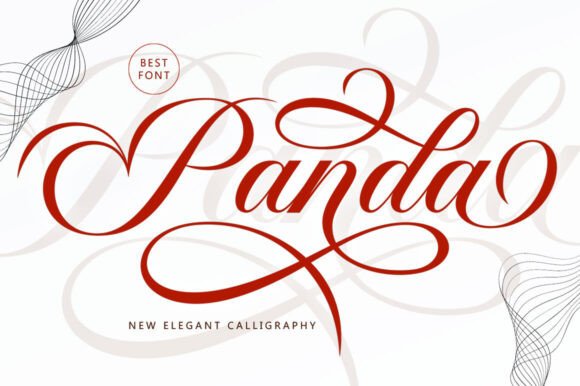
In the landscape of digital and print design, selecting the right typography is rarely a momentary whim; it is a strategic decision that dictates the tone, readability, and overall success of a project. Panda emerges as a sophisticated solution for professionals seeking to bridge the gap between historical elegance and contemporary utility. This elegant script font features beautiful character variations that allow it to adapt fluidly to different contexts while maintaining a cohesive identity. By combining classic copper style with a modern touch, designed with great attention to detail for an elegant look, Panda offers a versatile asset that fits seamlessly into complex creative processes.
The distinction between a standard typeface and a functional design tool lies in how well it supports the workflow. For marketers, publishers, and small business owners, the challenge often involves balancing aesthetic appeal with strict legibility requirements. Panda addresses this by presenting a visually appealing, clean, feminine, and easy-to-read interface. Its luxurious letter connections are not merely decorative flourishes; they serve a functional purpose in guiding the reader's eye across the page, reducing cognitive load while adding a layer of perceived value. Whether you are managing a high-volume e-commerce brand or curating a boutique editorial collection, understanding where this font fits within your operational timeline is crucial for efficient implementation.
Strategic Placement in the Creative Lifecycle
To maximize the impact of Panda, designers must consider its role at various stages of the production lifecycle. It is not simply a finishing touch applied after the fact but a foundational element that can influence decisions made during the planning phase. When initiating a new branding project, the choice of typography sets the parameters for color palettes, layout structures, and imagery styles. Because Panda combines classic copper style with a modern touch, it serves as an excellent anchor for brands aiming to communicate heritage without appearing outdated.
During the conceptualization stage, teams should evaluate whether the luxurious letter connections align with their target audience's expectations. For instance, in the fashion and makeup sectors, where visual storytelling is paramount, the use of Panda can elevate a simple product shot into a narrative experience. The font's ability to convey femininity and luxury allows creatives to establish a premium tone early on, ensuring that subsequent design choices reinforce rather than contradict the initial message. This proactive integration prevents the common pitfall of retrofitting fonts onto designs that were never intended to support them, saving valuable time during the revision cycles.
Pre-Production Planning and Asset Organization
Before any rendering begins, the preparation of assets is critical for maintaining consistency. Professionals working with Panda should organize their font libraries to ensure immediate access to all necessary weights and styles. Since the font is perfect for a variety of formal uses, including invitations, labels, restaurant menus, logos, and stationery, having a dedicated folder structure helps streamline the selection process. Efficient organization reduces the friction of finding the right character variation when deadlines loom.
Compatibility checks should also be performed during this phase. While Panda is designed for broad applicability, ensuring it renders correctly across different software platforms—such as Adobe InDesign, Illustrator, or web-based editors—is essential. Testing the font in both vector and raster formats before committing to a final layout ensures that the beautiful character variations remain sharp and distinct. This step is particularly important for freelancers and agencies who deliver files to clients using different hardware configurations. A robust pre-production checklist that includes font verification can prevent costly errors and delays later in the workflow.
Application Across Diverse Industry Workflows
The versatility of Panda allows it to interact naturally with a wide array of industry-specific workflows. For educators and bloggers, the font offers a way to present content that feels personal yet authoritative. When designing educational materials or long-form articles, the ease of reading provided by Panda ensures that the focus remains on the information being conveyed. The clean lines prevent visual fatigue, making it suitable for extended reading sessions on digital screens or printed handouts.
In the realm of publishing, from novels to magazines, Panda plays a pivotal role in establishing the book's personality. Authors and publishers often struggle to find a title font that captures the essence of the story without overpowering the text. Panda's classic style provides a balanced approach, offering a sense of tradition that appeals to readers of literary fiction or historical non-fiction. Similarly, for magazine layouts, the font can be used to create striking headlines that draw attention while maintaining the sophisticated atmosphere required for high-end publications.
- Invitations and Wedding Cards: The luxurious letter connections make Panda ideal for creating emotional resonance in personal milestones. It transforms standard stationery into keepsakes, enhancing the perceived value of the event.
- Restaurant Menus: For hospitality businesses, the font adds a layer of exclusivity to dining experiences. It works exceptionally well for labeling signature dishes or describing wine lists, where elegance is a key selling point.
- Product Packaging: In retail environments, packaging is the first interaction a customer has with a brand. Using Panda on labels and boxes helps products stand out on crowded shelves by communicating quality and attention to detail.
- Advertising Campaigns: From social media graphics to billboards, the visual appeal of Panda ensures that advertisements capture attention quickly. Its modern touch allows it to fit into dynamic, fast-paced marketing campaigns without looking rigid.
Implementation Tips for Consistency and Quality
Achieving a professional result with Panda requires more than just dropping the text into a document. Consistency is the hallmark of effective design, and it relies on careful control over spacing, kerning, and hierarchy. The beautiful character variations in Panda can sometimes lead to uneven spacing if not managed correctly. Designers should take the time to manually adjust kerning pairs, especially in logo design and short headlines, to ensure a harmonious flow.
Furthermore, the interaction between Panda and other design elements must be deliberate. When pairing this script font with sans-serif body text, the contrast in styles creates a dynamic visual tension that engages the viewer. However, it is vital to maintain a clear distinction between the two to avoid confusion. For example, using Panda for main titles and a clean, neutral sans-serif for body copy in a brochure or menu creates a structured hierarchy that guides the user through the content logically.
Quality control measures should be integrated into every stage of the project. Before finalizing a design, review the output at 100% zoom to check for any rendering issues or broken ligatures. Pay special attention to how the font behaves in different sizes; what looks elegant in a large display format may become illegible in small print. This scrutiny ensures that the final product meets the high standards expected by clients and audiences alike.
Long-Term Value and Adaptability
Investing in a font like Panda is a long-term strategy for building a recognizable brand identity. Unlike trendy typefaces that may date quickly, Panda's combination of classic copper style and modern touch ensures longevity. This durability makes it a reliable asset for businesses planning to scale their operations or expand into new markets. As a company grows, the need for consistent branding becomes more pressing, and a versatile font family simplifies the task of maintaining visual coherence across diverse channels.
For entrepreneurs and hobbyists alike, the ease of use offered by Panda lowers the barrier to entry for high-quality design. You do not need extensive typographic training to achieve professional results; the font does much of the heavy lifting through its inherent design qualities. This accessibility empowers users to focus more on their core business goals and less on technical hurdles, ultimately driving productivity and creativity.
Ultimately, the successful integration of Panda into your workflow depends on a thoughtful approach to planning and execution. By treating typography as a strategic component rather than an afterthought, you can leverage the font's unique characteristics to enhance communication, build trust, and create memorable experiences. Whether you are designing a novel cover, a wedding invitation, or a comprehensive advertising campaign, Panda provides the elegant foundation needed to bring your vision to life with precision and grace.