Magic Whip: Integrating Retro Script Bold into Modern Creative Workflows
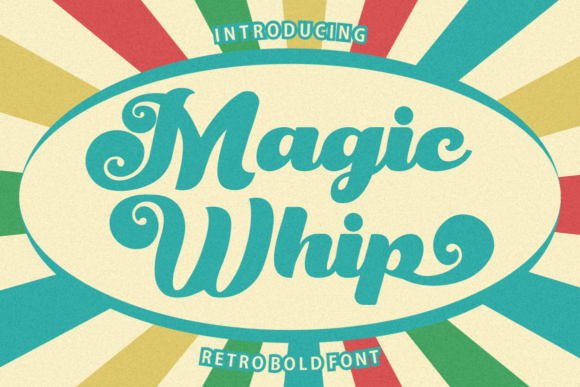
In the fast-paced environment of modern design and branding, finding a typeface that balances immediate visual impact with deep historical resonance is a constant challenge. Magic Whip emerges as a solution for professionals who need to inject a specific era's energy into their work without sacrificing legibility or structural integrity. This thick and groovy script font draws direct inspiration from the classic design aesthetics of the 70s and 80s, capturing the essence of a time defined by bold experimentation and expressive typography. For entrepreneurs, marketers, and creators looking to elevate their brand identity, understanding how to integrate this tool into a broader process is essential for achieving consistent, high-quality results.
The Role of Magic Whip in Brand Strategy and Visual Identity
When approaching a new project, whether it is launching a startup, rebranding an existing business, or creating content for social media, the selection of typography is rarely just an aesthetic choice; it is a strategic decision. Magic Whip fits into this workflow as a primary voice for headlines, logos, and titles where a strong emotional connection is required. Unlike standard serif or sans-serif fonts that prioritize neutrality, Magic Whip brings a touch of nostalgic flair that can immediately set a tone of fun, creativity, or vintage authenticity.
For small business owners and freelancers, the ability to customize designs using this font allows for a distinct market position. When used correctly, it acts as a differentiator against competitors relying on generic stock assets. The font's wide range of alternative characters provides the flexibility needed to tailor the visual language to specific brand guidelines. Whether you are designing a poster for a music festival or a logo for a craft brewery, the thick strokes and groovy curves of Magic Whip ensure the message stands out in a crowded digital landscape.
Preparing Your Workflow for Implementation
Successful integration of any design asset begins with preparation. Before opening your design software, it is crucial to verify compatibility and organization. Since Magic Whip is PUA encoded (Private Use Area), accessing all the amazing glyphs and ligatures requires a specific setup. This encoding method ensures that users can access unique characters without conflicting with standard keyboard inputs, but it does mean that the file must be installed correctly on your system before the creative process begins.
- Installation Verification: Ensure the font file is properly installed on your operating system. Check that the alternate glyphs appear in your font menu within your preferred design application.
- Asset Organization: Create a dedicated folder for your typography resources. Naming conventions should clearly distinguish between the base font and any stylistic alternates to maintain efficiency during the design phase.
- Project Brief Alignment: Define where the retro vibe fits your brand strategy. Is it the core identity, or a secondary accent? Clear definition prevents overuse and maintains consistency across all deliverables.
Execution: Using Magic Whip Across Different Project Stages
The utility of Magic Whip extends beyond simple decoration; it plays a functional role in various stages of the creative process. Understanding when and how to deploy the font can significantly enhance the quality control of your final output.
Pre-Production and Conceptualization
During the initial planning and mood board phase, Magic Whip serves as a powerful anchor for the project's direction. If a client desires a "vintage" or "retro" look, incorporating this font early helps visualize the potential outcome. It allows stakeholders to see how the 70s and 80s aesthetic translates into their specific industry context. This stage is about exploring possibilities. The endless creative possibilities offered by the font's alternatives allow designers to experiment with different weights and styles before committing to a final layout.
During Production and Design
Once the concept is approved, the focus shifts to execution. In this phase, Magic Whip is ideal for headlines, titles, and posters. Its thickness makes it highly readable even at smaller sizes, provided it is not paired with overly dense body text. The key to maintaining professionalism while using such a stylized font is balance. Use Magic Whip for the headline to grab attention, then pair it with a clean, neutral sans-serif for body copy to ensure readability and information hierarchy.
For educators and bloggers, this font can be particularly effective in creating engaging headers for tutorials, course materials, or blog posts. It adds personality to educational content, making learning activities feel less rigid and more inviting. However, caution is advised regarding accessibility. While the font is bold and distinctive, ensure that contrast ratios meet web standards when used for digital text.
Post-Production and Distribution
After the design is finalized, the workflow involves preparing files for distribution. Because Magic Whip utilizes PUA encoding, it is vital to embed the font or outline the text if sharing files with clients who may not have the font installed. This step ensures that the design remains consistent regardless of the recipient's system configuration. For print projects like posters or merchandise, verify that the vector paths are correct to maintain the crisp edges of the thick script strokes.
Interactions with Tools, Resources, and Team Members
No design exists in a vacuum. The implementation of Magic Whip often interacts with other tools and team members. In a collaborative workflow, clear communication regarding font usage is necessary. If a marketing team is working on a campaign, they need to know that Magic Whip is reserved for specific assets to avoid brand dilution.
When integrating with digital platforms, consider how the font renders on different devices. The varied stroke widths and ligatures of Magic Whip can sometimes cause rendering issues on lower-resolution screens if not optimized. Testing the design across mobile, tablet, and desktop views is a critical quality control step. Furthermore, when working with developers, provide them with clear instructions on how to implement the font via CSS, ensuring that the custom ligatures and glyphs function correctly on the live site.
Optimizing Efficiency and Consistency
To maximize efficiency, create a style guide that documents the proper use of Magic Whip. This document should specify minimum font sizes, appropriate line heights, and color combinations that preserve legibility. By establishing these rules upfront, teams can reduce the time spent on revisions and approvals. Consistency is key to building a recognizable brand identity. When every piece of content, from a social media graphic to a printed brochure, adheres to the same typographic standards, the overall impact is amplified.
Additionally, leverage the font's alternative characters to add variety without changing the core identity. Instead of using a different font for emphasis, utilize the built-in alternates within Magic Whip. This approach maintains visual cohesion while allowing for the customization needed to make each design feel unique. For hobbyists and publishers, this feature offers a cost-effective way to produce professional-grade materials without needing multiple font licenses.
Long-Term Value and Adaptability
Investing in a font like Magic Whip is not just about a single project; it is about building a long-term asset for your creative toolkit. The retro aesthetic of the 70s and 80s has proven to be cyclical, often resurfacing in popular culture and design trends. By mastering the use of this font now, professionals position themselves to adapt quickly when vintage styles regain prominence in the future.
The versatility of Magic Whip ensures its relevance across diverse industries. From tech startups wanting to appear approachable and human, to established brands seeking to refresh their image, the font offers a bridge between modern functionality and nostalgic charm. As you continue to refine your skills, remember that the best design solutions are those that solve problems effectively while delighting the user. Magic Whip provides the bold style and nostalgic flair necessary to capture attention, but it is the thoughtful integration into your workflow that delivers the true value.
By treating typography as a strategic component of your process rather than an afterthought, you can unlock the full potential of tools like Magic Whip. Whether you are a solo freelancer managing multiple clients or part of a large agency team, the principles of preparation, consistent execution, and careful quality control remain the same. Embrace the unique capabilities of this font, respect its heritage, and apply it with intention to create work that resonates with audiences on both an intellectual and emotional level.