Magnolena Typeface Evaluation
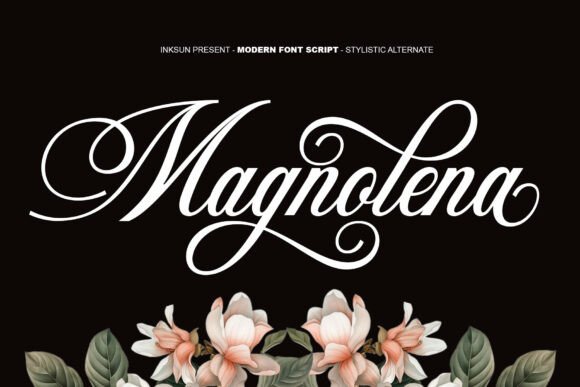
In the landscape of digital and print typography, selecting the right typeface is often the difference between a design that resonates and one that feels generic. Magnolena has emerged as a distinct option for designers seeking a modern script with significant character. It is an exquisite modern script typeface that epitomizes sophistication and artistic elegance. Characterized by its bold, calligraphic strokes and exceptionally fluid rhythm, this font features stunning stylistic alternates and decorative swashes that create a high-end, hand-lettered feel. The design strikes a perfect balance between thick, confident lines and graceful, sweeping curves, giving it a timeless yet contemporary personality.
When evaluating Magnolena for a specific project, it is essential to understand not just its aesthetic qualities, but also its technical capabilities and the contexts in which it performs best. This evaluation explores the characteristics of Magnolena, its practical applications, and the considerations necessary before integrating it into your workflow.
Core Design Characteristics
The primary appeal of Magnolena lies in its ability to mimic the organic flow of hand-lettering while maintaining the structural integrity required for digital reproduction. Unlike standard cursive fonts that often suffer from legibility issues or a dated appearance, Magnolena offers a refined approach to script typography. The font features bold, calligraphic strokes that provide weight and presence without appearing heavy-handed. These are paired with gracefully sweeping curves that guide the eye smoothly across the text.
A critical feature of this typeface is the inclusion of stunning stylistic alternates and decorative swashes. In professional typography, these elements allow for variation within a single word, preventing the repetitive look common in basic script fonts. By enabling users to toggle between different forms of letters, the designer can achieve a more natural, bespoke appearance. This capability is what gives Magnolena its high-end, hand-lettered feel, making it suitable for projects where uniqueness is paramount.
Ideal Use Cases and Applications
Magnolena is engineered for visual impact rather than dense body copy. Its strength lies in headline work and short textual elements where style takes precedence over volume. The font is perfectly suited for a wide array of creative industries, including:
- Book Covers and Titles: The elegant curves and bold strokes make it an excellent choice for fiction covers, poetry anthologies, or lifestyle books where the title needs to convey emotion and tone immediately.
- Magazine and Editorial Headers: For fashion, art, or lifestyle publications, Magnolena provides a sophisticated touch that elevates the layout without overwhelming the imagery.
- Logo and Branding: Brands aiming for a premium, artisanal, or boutique identity can leverage the customizability of the stylistic alternates to create unique logotypes.
- Photography and Social Media: When overlaying text on images, the contrast between the thick lines and the background creates strong visual hierarchy, making it ideal for Instagram quotes or blog headers.
- Posters and Advertisements: In large-format printing, the decorative swashes become prominent features that draw attention and add a layer of artistic flair to commercial messaging.
Technical Specifications and Compatibility
From a technical standpoint, Magnolena offers robust support for professional workflows. The file package includes both OpenType (.otf) and TrueType (.ttf) formats, ensuring compatibility across various operating systems and design software such as Adobe Creative Cloud, Affinity Suite, and CorelDRAW. Additionally, the availability of Web Open Font Format (Woff) allows for seamless integration into responsive web designs, provided the server configuration supports it.
The font supports Uppercase and Lowercase characters, along with Numerals. A significant advantage for international projects is the Functional Multilingual support, which expands the character set beyond standard Latin glyphs. This makes Magnolena a viable option for global campaigns targeting diverse linguistic audiences. Furthermore, the inclusion of Stylistic sets allows users to access the full range of decorative variants directly through their design software's OpenType panel, streamlining the editing process.
Benefits and Tradeoffs
While Magnolena excels in many areas, designers must weigh its benefits against potential limitations to determine if it aligns with their specific goals.
Key Benefits:
- Artistic Versatility: The combination of bold strokes and fluid rhythms allows for a dynamic range of expressions, from dramatic and bold to soft and romantic.
- High-End Aesthetic: The design successfully avoids the "cheap" look often associated with free or low-quality scripts, offering a polished finish suitable for luxury branding.
- Technical Robustness: Support for multiple file formats and multilingual characters ensures the font is ready for complex, cross-platform projects.
Potential Tradeoffs:
- Legibility Constraints: As with most script typefaces, Magnolena is not designed for long paragraphs of body text. The decorative nature of the characters can reduce readability when used in small sizes or at low resolutions.
- Contextual Limitations: The strong personality of the font may clash with minimalist or highly corporate designs that require neutrality. It is a statement font, not a neutral one.
- Learning Curve: To fully utilize the stylistic alternates and swashes effectively, designers need a good understanding of OpenType features. Without this knowledge, the font may appear cluttered or inconsistent.
Decision-Making Insights
Selecting Magnolena should be a deliberate decision based on the project's communication goals. If the objective is to convey elegance, creativity, or a personal touch, Magnolena is a strong fit. However, if the priority is maximum information density or a strictly utilitarian interface, alternatives like sans-serif or serif typefaces would be more appropriate.
Consider the following questions when evaluating Magnolena:
- Is the text content short? Magnolena thrives in headlines, logos, and captions. Avoid using it for blocks of text longer than a few sentences.
- Does the brand voice match the font's personality? The font suggests sophistication and artistry. It pairs well with beauty, fashion, culinary, and event sectors, but may feel out of place in technology or finance contexts unless a specific contrast is desired.
- Do you have the skills to manage OpenType features? Ensure your team knows how to access and apply stylistic sets to avoid accidental misuse of the decorative swashes.
Alternatives to Consider
If Magnolena does not meet all requirements, there are other options in the market. For projects requiring a similar script style but with higher legibility for slightly longer text, fonts with simpler connections might be preferable. Conversely, for projects needing a more formal or traditional calligraphy look, historical script typefaces could serve as better alternatives. If the goal is purely functional branding where readability is the top priority, a clean sans-serif or a structured serif would likely offer better performance than any script typeface.
Conclusion
Magnolena represents a sophisticated choice for designers looking to inject elegance and artistic flair into their work. Its blend of bold, calligraphic strokes and fluid rhythm, supported by comprehensive OpenType features, makes it a versatile tool for high-end projects. While it is not a universal solution for all typographic needs, its strengths in branding, editorial design, and advertising are undeniable. By carefully considering the context and the audience, designers can determine whether Magnolena is the right instrument to bring their vision to life.