Aipshar Font Evaluation: A Comprehensive Guide for Designers
In the landscape of digital typography, selecting the right script typeface requires a careful balance between aesthetic appeal and functional readability. Aipshar has emerged as a significant option for professionals seeking to introduce a sense of refined elegance into their projects. This font is designed to bridge the gap between classical calligraphy and modern digital application, offering a distinct visual identity that stands out in crowded design environments.
For designers, brand managers, and content creators evaluating typefaces, understanding the specific characteristics and use cases of Aipshar is essential. This analysis explores the technical specifications, aesthetic qualities, and practical applications of the font to help determine if it aligns with your project requirements.
Defining the Aesthetic Identity of Aipshar
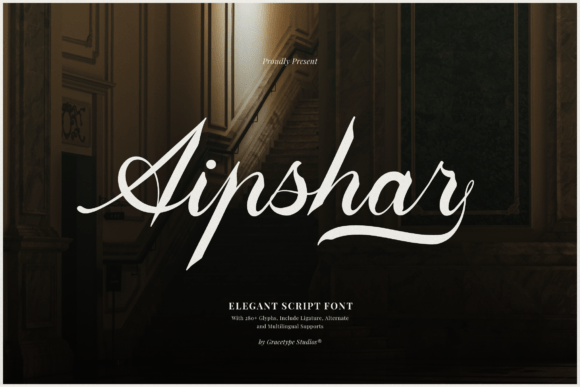
Aipshar is an elegant script font characterized by fluid, high-contrast letterforms. Unlike standard cursive fonts that often prioritize uniformity, this typeface mimics the natural variation found in hand-lettering. The design features dramatic, sweeping ascenders that extend well above the x-height, creating a vertical rhythm that draws the eye upward. These are paired with sharp, refined terminals that provide a clean finish to each stroke.
The visual language of Aipshar evokes the grace of a master calligrapher. It avoids the stiffness of mechanical scripts, instead relying on a rhythmic baseline and intricate ligatures to create a seamless flow. This combination results in a hand-lettered aesthetic that feels both classical and contemporary. The high contrast between thick downstrokes and thin upstrokes adds a layer of sophistication, making it particularly effective for titles and headings where visual impact is paramount.
Technical Specifications and Multilingual Capabilities
One of the primary considerations when adopting a new typeface is its technical robustness. Aipshar includes over 280 glyphs, which covers a wide range of special characters, ornaments, and stylistic alternates. This extensive character set allows for greater creative freedom, enabling designers to customize text without needing to switch to different fonts or manually insert symbols.
Furthermore, the font offers full multilingual support. This is a critical feature for global brands or projects targeting international audiences. By supporting various languages and character sets, Aipshar ensures that the intended aesthetic remains consistent across different linguistic contexts. This eliminates the common issue of switching to a less suitable fallback font when displaying non-Latin characters, maintaining the integrity of the design system.
Ideal Use Cases for Script Typography
While Aipshar possesses a strong visual presence, it is not a universal solution for all text needs. Its design attributes make it exceptionally well-suited for specific applications where luxury and exclusivity are desired.
- Luxury Branding: For premium boutiques, high-end fashion labels, or artisanal product lines, Aipshar conveys a sense of polished artisanal prestige. Its sophisticated curves reinforce the value proposition of exclusive goods.
- Bespoke Stationery: In the realm of wedding invitations and formal event planning, the font's romantic and graceful nature makes it a top choice. The intricate ligatures add a personal touch that feels bespoke rather than mass-produced.
- Editorial Headers: High-end magazines and editorial layouts often require headlines that command attention without overwhelming the body text. Aipshar serves this function effectively, providing a striking focal point for articles on culture, fashion, and lifestyle.
- Cinematic Titles: For film or video projects aiming for a period piece or a glamorous atmosphere, the dramatic flair of the font can set the tone immediately.
Evaluating Tradeoffs and Practical Considerations
Despite its strengths, incorporating Aipshar into a design project involves certain tradeoffs that must be weighed carefully. The most significant consideration is legibility. Because of its high contrast and decorative nature, Aipshar is generally unsuitable for long-form body copy. Reading extended passages in a script font can cause eye fatigue and reduce comprehension speed.
Additionally, the "hand-written" feel of the font relies heavily on proper spacing. If kerning is not adjusted meticulously, the sweeping ascenders may collide with adjacent letters, disrupting the flow. Designers must be prepared to invest time in fine-tuning the spacing, especially when using the font in small sizes. On web interfaces, rendering issues can occasionally arise if the browser does not support the specific OpenType features required to display the ligatures correctly.
Another factor to consider is the potential for overuse. Because Aipshar is visually dominant, it can easily overpower other elements in a layout if not balanced with neutral sans-serif or serif typefaces. It works best when used sparingly as a complementary element rather than the primary voice of the communication.
Comparative Analysis: When to Choose Alternatives
While Aipshar excels in scenarios requiring drama and elegance, there are situations where alternative typefaces may be more appropriate. If the goal is to convey approachability, simplicity, or modern minimalism, a geometric sans-serif or a humanist script might be a better fit. Scripts with lower contrast and less dramatic flourishes are often preferred for user interface (UI) elements where clarity is prioritized over style.
For projects requiring strict adherence to accessibility guidelines, Aipshar may present challenges. The complex shapes of the letters can sometimes be difficult for individuals with dyslexia or visual impairments to distinguish quickly. In such cases, a more straightforward typeface with clear differentiation between similar characters (such as 'I', 'l', and '1') would be the prudent choice.
Furthermore, if the project demands a highly consistent, machine-like precision, the organic variations inherent in Aipshar might be seen as a drawback. In technical documentation or data-heavy reports, a monospaced or standard sans-serif font ensures that information is conveyed with maximum efficiency and neutrality.
Decision-Making Insights for Designers
To determine whether Aipshar aligns with your goals, start by defining the emotional response you want the viewer to have. If the objective is to evoke feelings of luxury, tradition, or artistic flair, Aipshar is a strong candidate. However, if the primary goal is utility, speed of reading, or broad accessibility, you should look elsewhere.
When testing the font, create mockups in the actual context of use. Evaluate how it performs at different sizes, from large headers to smaller captions. Check the legibility against the background colors and ensure that the high contrast does not cause visual vibration. Finally, review the available glyphs to confirm they meet the specific linguistic and symbolic needs of your project.
In conclusion, Aipshar represents a sophisticated tool in the typographer's arsenal. Its ability to blend classical calligraphic traditions with modern digital capabilities makes it a versatile choice for high-end design work. By understanding its strengths and limitations, designers can leverage Aipshar to create compelling visual narratives that resonate with audiences seeking timeless beauty and artisanal quality.