Discovering the Versatility of Bembo: A Comprehensive Guide for Designers
In the vast landscape of typography, few typefaces manage to balance historical reverence with modern versatility as effectively as Bembo. Often mistaken for a standard serif due to its traditional roots, this font actually possesses a unique character that bridges the gap between script elegance and structural formality. For designers aged 20 to 50 who are constantly evaluating resources for their next project, understanding the specific nuances of Bembo is essential. It is not merely a font; it is a toolkit capable of transforming simple text into sophisticated visual narratives.
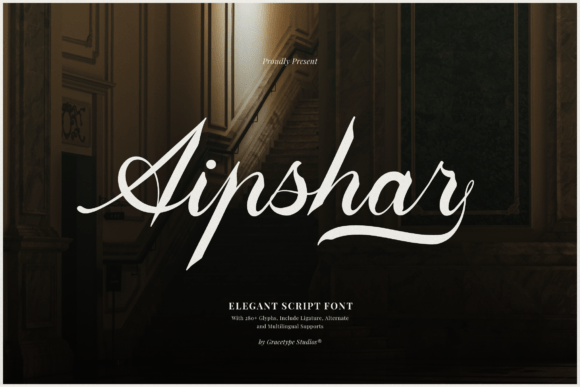
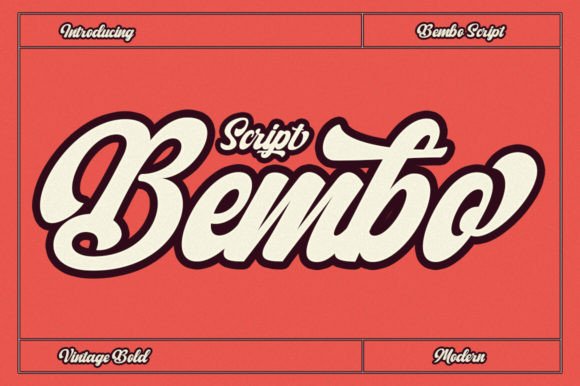
At its core, Bembo is defined by its noble and vintage aesthetic. Unlike sans-serif fonts that prioritize minimalism, or modern scripts that focus on fluidity, Bembo occupies a distinct middle ground. It features serifs at the beginnings of strokes, which lend it an air of authority and tradition. However, what truly sets it apart in the current market is its extensive library of alternate characters. These alternates, including swash capitals and specialized ligatures, allow the typeface to break free from rigid constraints. This flexibility makes it an ideal candidate for projects requiring a blend of classic charm and contemporary flair.
The Distinctive Architecture of Bembo
To appreciate why Bembo stands out, one must look closely at its construction. The presence of serifs at the start of strokes provides a grounded feel, making it highly readable in long-form editorial content. Yet, the design does not stop there. The inclusion of swash capitals introduces a decorative element that mimics hand-lettering without sacrificing legibility. These flourishes are not random; they are carefully crafted to enhance the flow of text while maintaining the integrity of the letterforms.
Furthermore, the font's ability to generate diverse tails with varying shapes and widths adds another layer of complexity to its utility. In many other typefaces, tail variations are limited or non-existent. With Bembo, these elements can be manipulated to create a vintage logotype or even a dynamic sports look, depending on the context. This duality is rare. Most fonts are pigeonholed into a single category—either formal or casual. Bembo refuses to be categorized so easily, offering a spectrum of options that adapt to the designer's vision rather than forcing the designer to adapt to the font.
- Swash Capitals: Large, decorative letters that serve as focal points in headlines or logos.
- Ligatures: Combined characters that improve readability and add stylistic cohesion.
- Varying Tails: Alternate endings for letters that introduce movement and personality.
- Noble Serifs: Traditional markers that establish trust and timelessness.
Evaluating Bembo Against Other Typography Options
When selecting a typeface, professionals often weigh several factors: readability, style compatibility, and versatility. How does Bembo compare to other popular options? While many serif fonts offer stability, few provide the same level of ornamental variety without appearing cluttered. Standard serif fonts often rely on a single set of glyphs, limiting their use to body text or conservative branding. In contrast, Bembo invites experimentation.
Consider the scenario of designing a t-shirt graphic. A typical choice might be a bold sans-serif or a generic script. However, using Bembo allows for a more nuanced approach. By utilizing the alternate characters and swashes, a designer can achieve a "vintage" look that feels authentic rather than retro-styled through cheap imitation. Similarly, in editorial illustrations, the ability to mix formal serifs with decorative swashes creates a hierarchy that guides the reader's eye naturally.
However, it is important to acknowledge tradeoffs. The very features that make Bembo versatile also require a higher degree of typographic skill. A novice user might find the abundance of alternates overwhelming, potentially leading to over-decorated designs if not applied judiciously. In comparison, simpler fonts offer immediate ease of use but lack the depth required for high-end custom work. Therefore, the decision to use Bembo often hinges on the designer's proficiency and the specific demands of the project.
Strengths and Limitations in Practical Application
The strengths of Bembo lie in its capacity to elevate brand identity. For businesses seeking a logo that conveys heritage and quality, the noble look of the font is unmatched. It suggests a history of excellence without needing explicit imagery. In the realm of lettering artwork, the swash capitals provide the necessary drama to capture attention, while the consistent stroke width ensures the message remains clear.
Yet, limitations exist. If a project requires a purely functional, no-nonsense interface, such as a mobile app dashboard, Bembo may be too ornate. Its vintage appeal can clash with ultra-modern, minimalist aesthetics that prioritize speed and clarity above all else. Additionally, the density of the alternate characters means that file sizes can be larger compared to basic font families, which could impact web performance if not optimized correctly. Designers must weigh these technical considerations against the creative benefits.
Strategic Use Cases for Different Industries
Determining when to choose Bembo involves analyzing the target audience and the medium. Let us explore how this typeface fits into various industries and design contexts.
- Branding and Logos: For companies in the fashion, luxury goods, or artisanal food sectors, Bembo offers a sophisticated edge. The combination of formal design and swash details allows brands to tell a story of craftsmanship. The varying tails can be used to create unique monograms that stand out in crowded marketplaces.
- Editorial Illustrations: Magazines and books benefit from the readability of the serif structure combined with the decorative potential of the alternates. Editors can use swash capitals to highlight chapter titles or pull quotes, adding visual interest without disrupting the reading flow.
- Apparel and Merchandise: As mentioned earlier, t-shirt designs often suffer from generic looks. Bembo helps avoid this by providing access to a wide range of stylistic options. Whether aiming for a rock-and-roll vibe or a classic preppy aesthetic, the font's versatility supports both directions.
- Sports Branding: While unconventional, the ability to manipulate tails and widths allows for dynamic sports typography. The "vintage sports look" mentioned in design circles often relies on fonts that have been heavily modified; Bembo comes with many of these modifications built-in, saving time on manual adjustments.
Decision Factors: When to Choose Bembo
Selecting the right tool is a critical part of the design process. You should consider choosing Bembo when your project requires a blend of elegance and personality. If the goal is to create something that feels established yet fresh, this typeface is an excellent resource. It is particularly well-suited for projects where the text itself is a primary visual element, such as posters, book covers, or packaging.
Conversely, you might need another option if your project prioritizes absolute neutrality or extreme brevity. For instance, a news ticker or a safety warning label would be better served by a neutral, high-contrast sans-serif. In these cases, the decorative nature of Bembo could distract from the core message. Furthermore, if the design team lacks experience with advanced typographic controls, the risk of misusing the alternates increases. In such scenarios, sticking to a more straightforward font family might yield better results.
Maximizing Potential Through Variability
The true power of Bembo lies in its variability. It is not a static asset but a dynamic system. By exploring the different shapes and widths available, designers can create entirely new visual languages within a single typeface. This reduces the need to license multiple fonts for a single project, streamlining the workflow and ensuring consistency across deliverables.
For those looking to expand their design repertoire, experimenting with the ligatures and swashes is highly recommended. Many users overlook these features, defaulting to the standard character set. However, it is in these details that the magic happens. A well-placed swash capital can turn a plain headline into a piece of art, while a cleverly chosen ligature can smooth out awkward spacing in complex words.
In conclusion, Bembo represents a significant opportunity for designers willing to invest time in mastering its features. It is a font that rewards curiosity and penalizes complacency. Whether you are crafting a vintage-inspired logo, a detailed editorial layout, or a trendy t-shirt design, Bembo provides the building blocks necessary to create something beautiful, elegant, and diverse. By understanding its strengths, acknowledging its limitations, and comparing it thoughtfully against other options, you can make informed decisions that elevate your work to a professional standard.