Darrel Allura Collection: A Comprehensive Evaluation for Designers
In the landscape of digital typography, selecting the right script typeface is often a balancing act between aesthetic appeal and technical functionality. The Darrel Allura Collection has emerged as a notable option for designers seeking a magical script font that combines elegance with practical utility. This typeface family is carefully crafted to elevate creative projects, offering a distinct visual voice that ranges from Instagram-ready graphics to intricate DIY calligraphy elements. However, before integrating this font into a professional workflow, it is essential to understand its specific characteristics, encoding methods, and ideal use cases.
Understanding the Core Characteristics
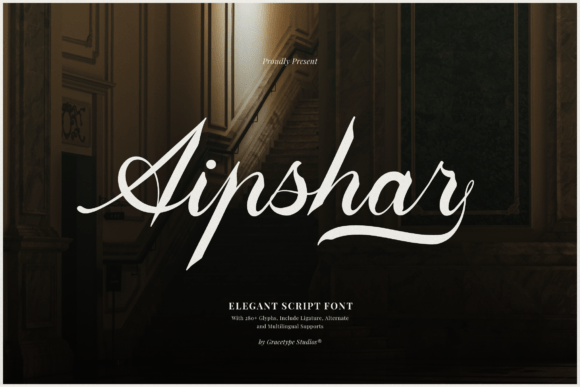
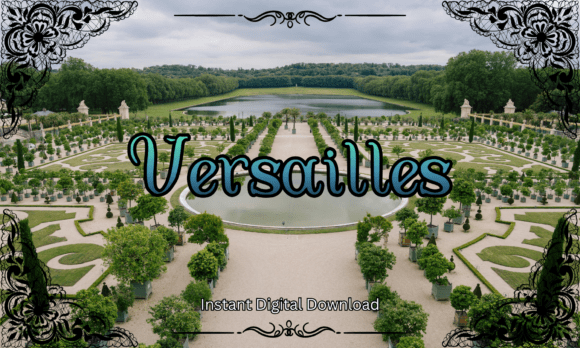
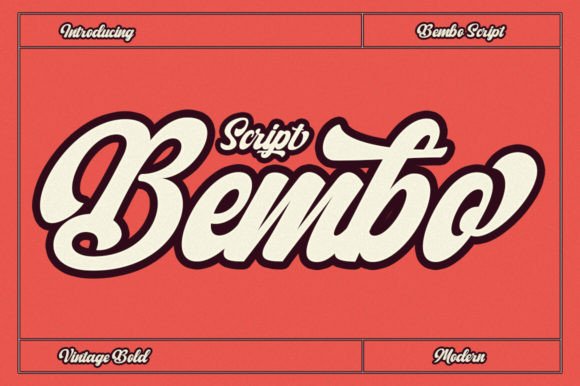
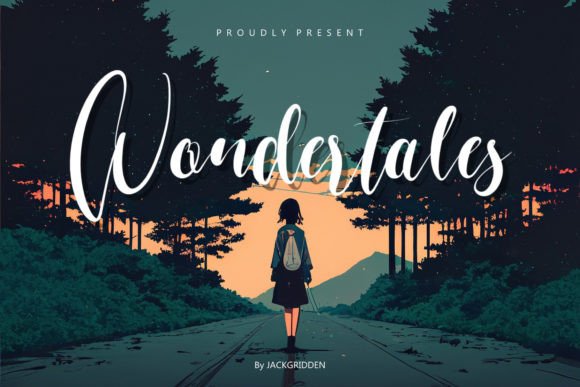
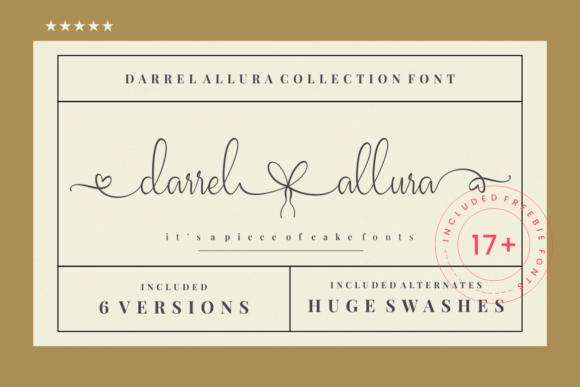
The Darrel Allura Collection is defined by its fluid, cursive nature, designed to mimic the organic flow of hand-lettering while maintaining the consistency required for digital reproduction. Unlike standard sans-serif or serif fonts, scripts require a higher degree of attention to detail regarding spacing and ligatures. This collection addresses those needs by providing a set of glyphs that feel natural yet polished. The design philosophy behind the font centers on elegance, ensuring that text does not merely convey information but also contributes to the overall mood of the composition.
A critical technical feature of this font is its PUA (Private Use Area) encoding. In the world of typography, PUA encoding allows designers to access a wide array of special characters, swashes, and alternate glyphs that are not part of the standard Unicode character set. For users working in software like Adobe Illustrator, Photoshop, or InDesign, this means that all decorative elements and stylistic alternates are accessible directly within the glyph panel without requiring complex third-party plugins. This accessibility ensures that the full potential of the font's design can be realized efficiently.
Why Designers Choose Script Fonts
Before evaluating the specific merits of Darrel Allura, it is helpful to consider why a designer would choose a script over other typefaces. Scripts are inherently expressive; they carry emotional weight and personality that block letters often lack. They are frequently used to:
- Add a human touch to digital designs that might otherwise feel sterile.
- Create visual hierarchy through contrast with more neutral body text.
- Establish a brand identity that feels personal, artisanal, or luxurious.
- Enhance invitations, logos, and social media assets where aesthetics drive engagement.
The Darrel Allura Collection fits squarely into these categories, offering a versatile tool for creators who need to communicate sophistication and creativity simultaneously.
Evaluating Benefits and Practical Applications
One of the primary benefits of using the Darrel Allura Collection is its versatility across different platforms. Whether the goal is to create a visually striking Instagram post or a physical craft project, the font adapts well to both contexts. Its legible structure ensures that headlines remain readable even at smaller sizes, provided they are paired with appropriate background contrast.
For DIY enthusiasts and crafters, the availability of swashes and decorative terminals adds value. These flourishes allow for the creation of custom monograms, wedding invitations, and scrapbooking layouts that look professionally executed. The PUA encoding is particularly advantageous here, as it allows for granular control over the letterforms, enabling designers to tweak the appearance of individual words to fit specific layout constraints.
Furthermore, the font's elegant aesthetic makes it a strong candidate for branding in industries such as beauty, fashion, and lifestyle. Brands in these sectors often rely on visual cues to signal quality and exclusivity. By incorporating Darrel Allura into a logo or marketing campaign, a business can instantly elevate its perceived value without needing expensive graphic design services.
Tradeoffs and Considerations
While the Darrel Allura Collection offers significant advantages, it is not without limitations. The most immediate consideration is legibility. Script fonts, by their nature, are generally unsuitable for long-form body copy. Reading extended paragraphs in a cursive style can cause eye fatigue and reduce comprehension. Therefore, the font should be reserved for headlines, pull quotes, short captions, and signage.
Another consideration involves compatibility. While PUA encoding provides access to extensive glyphs, it relies on the software environment supporting the Private Use Area correctly. Older versions of some operating systems or less robust web browsers may struggle to render PUA characters if the font file is not properly embedded or if the user lacks the necessary software configuration. Designers must test the font thoroughly across different devices before finalizing a project.
Additionally, the "magical" and highly stylized nature of the font means it can quickly become overwhelming if overused. Using it for every element in a design can result in visual clutter rather than elegance. It requires a disciplined approach to pairing, typically necessitating a clean, neutral sans-serif or serif font to balance the ornate script.
Situational Fit and Alternatives
The Darrel Allura Collection is a strong fit for projects requiring a blend of modern usability and traditional elegance. It is particularly effective for:
- Social Media Content: Creating unique headers for posts and stories where visual impact is paramount.
- Event Branding: Wedding invitations, birthday party decorations, and corporate event signage.
- Product Packaging: Adding a premium feel to labels for cosmetics, confectionery, or artisanal goods.
- Digital Art: Overlaying text on images for motivational posters or artistic compositions.
However, there are situations where alternatives may be worth considering. If the project requires high legibility for accessibility compliance, a more structured script or a hybrid typeface might be preferable. Similarly, if the target audience includes international markets where English cursive is not universally recognized, a simpler typeface could be more inclusive.
Designers looking for a more casual, handwritten feel might explore brush-style fonts instead. Conversely, those needing a more formal, calligraphic style rooted in historical traditions might find a different family more appropriate. The key is to align the font's personality with the project's tone.
Making the Final Decision
To determine if the Darrel Allura Collection aligns with your goals, start by testing the font in your actual workflow. Create a mockup of your intended project using both the base characters and the PUA-encoded swashes. Evaluate how the font interacts with your chosen color palette and imagery. Ask yourself if the elegance enhances the message or distracts from it.
If the font successfully communicates the desired mood without compromising readability in its intended context, it is likely a suitable choice. Remember that good typography is about service to the content, not just decoration. By weighing the benefits of its unique encoding against the tradeoffs of its stylistic intensity, you can make an informed decision that elevates your design work.