Austin Light Font Evaluation
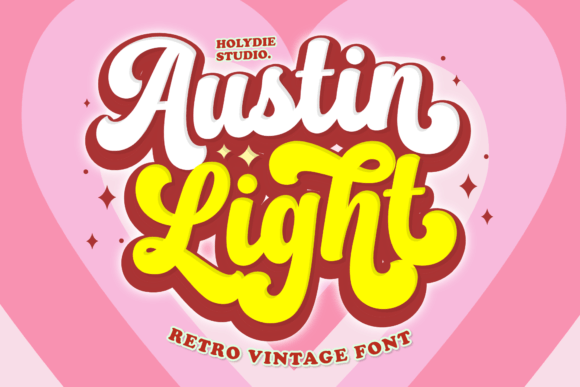
Designers often search for typefaces that bridge the gap between nostalgic aesthetics and modern usability. Austin Light is a bold and retro styled script font, featuring a cool flow. It has beautiful and well balanced characters and as a result, matches a wide pool of designs. This font is PUA encoded which means you can access all of the glyphs and swashes with ease. When evaluating this specific typeface, it is important to understand its technical foundation, its visual impact, and how it fits into various design workflows.
Understanding the Design Characteristics
The primary appeal of Austin Light lies in its distinct personality. Unlike standard sans-serif or serif fonts that prioritize neutrality, this script offers a dynamic presence. The "bold" classification suggests that even in lighter weights, the strokes maintain a significant visual weight, making it suitable for headlines where immediate attention is required. The "retro styled" descriptor indicates a nod to mid-century or vintage aesthetics, evoking a sense of warmth and approachability.
The description notes a "cool flow." In typography, flow refers to the rhythm and continuity of the letterforms. A script with good flow minimizes awkward spacing between characters and ensures that the hand-written illusion feels natural rather than forced. This characteristic is crucial because poor flow can make text difficult to read or visually jarring. Austin Light aims to balance these aesthetic qualities with structural integrity, ensuring that the letters remain legible even when used at smaller sizes or in longer phrases.
Technical Specifications and Accessibility
A critical factor for professional designers is the technical encoding of the font file. Austin Light is described as PUA encoded. The Private Use Area (PUA) is a range of code points within Unicode that are reserved for custom character definitions. By utilizing PUA encoding, the designer can include an extensive library of alternate glyphs without conflicting with standard ASCII characters.
This encoding method offers several practical advantages:
- Comprehensive Glyph Sets: Users can access a wide variety of ligatures, swashes, and alternate characters that enhance the visual interest of the text.
- Customization: Designers have the flexibility to mix and match different character variants to create unique compositions.
- Ease of Access: As noted in the source material, this setup allows users to access all glyphs and swashes with ease, provided the software supports PUA mapping.
However, reliance on PUA encoding does require a certain level of technical proficiency. If a document containing PUA-encoded text is opened on a system without the correct font installed, the text may revert to a default fallback font, potentially disrupting the layout. Therefore, embedding the font or ensuring the recipient has the typeface is essential for consistent delivery.
Strategic Applications and Use Cases
Given its bold and retro nature, Austin Light is not a universal solution for every design challenge. It excels in specific contexts where a strong brand voice or thematic consistency is required.
Ideal Scenarios for Selection
When selecting a typeface, the context of the project dictates the choice. Austin Light is particularly effective in the following situations:
- Headline and Display Typography: Due to its bold stroke weight and flowing nature, it serves best as a display font. It is ideal for posters, album covers, and magazine headers where the text is large enough for the details of the script to be appreciated.
- Retro-Themed Projects: For brands aiming to evoke a vintage feel, such as coffee shops, craft breweries, or boutique clothing lines, this font provides an instant atmospheric cue.
- Branding and Logos: The well-balanced characters make it a strong candidate for logo design, provided the brand identity aligns with a friendly, artistic, or nostalgic persona.
- Event Invitations: Weddings, parties, and social events often benefit from the personal touch of a script font. Austin Light's flow can mimic elegant handwriting while maintaining the readability needed for event details.
Limited Suitability and Tradeoffs
While the font has many strengths, there are clear limitations. Its retro style and script form factor mean it is generally unsuitable for body copy in long-form content. Reading extended passages in a script font can cause eye fatigue and reduce comprehension rates. Furthermore, the bold nature of the font may overwhelm delicate layouts or conflict with other busy graphical elements.
Another consideration is the potential for overuse. Script fonts are trendy, and using them too broadly can date a design quickly. Designers must weigh the desire for a trendy look against the need for timelessness. Additionally, if the target audience includes international markets where English is not the primary language, the availability of non-Latin characters in a PUA-encoded font should be verified, as support for accented characters or other scripts may vary.
Comparative Considerations
Evaluating Austin Light requires comparing it against alternatives in the market. There are thousands of script fonts available, ranging from highly formal calligraphy styles to casual brush scripts. When deciding whether to use Austin Light, consider the following factors:
Legibility vs. Style: Some script fonts prioritize artistic flair over readability. Austin Light claims to have "beautiful and well balanced characters," suggesting a higher focus on structure. If your project prioritizes clarity, compare Austin Light against more traditional serif options like Garamond or clean sans-serifs like Helvetica.
Encoding Compatibility: Many modern fonts utilize OpenType features for alternates rather than PUA encoding. OpenType features allow for automatic substitution of ligatures based on the context of the text. While PUA encoding offers manual control, OpenType offers automation. If your workflow relies heavily on automated typesetting, an OpenType alternative might streamline the process.
Brand Alignment: Does the "cool flow" of Austin Light match your brand's tone? If your brand is corporate, minimalist, or tech-focused, this retro script may clash with your identity. Conversely, if you are targeting a creative or lifestyle demographic, the font's personality could be a significant asset.
Decision-Making Insights
To determine if Austin Light aligns with your goals, follow a structured evaluation process. Start by testing the font in your intended medium. Create mockups for both headlines and short paragraphs to gauge its versatility. Pay close attention to the rendering of the swashes and alternate glyphs; ensure they appear as intended across different screen resolutions and print formats.
Consider the longevity of the design. Retro styles can become dated within a few years. Ask yourself if the vintage aesthetic will still resonate with your audience in the future. If the project is for a temporary campaign, the font is likely a safe bet. For long-term branding, additional research into current typographic trends is advisable.
Finally, verify the licensing terms. Fonts come with various usage rights regarding web embedding, commercial use, and modification. Ensure that the license for Austin Light permits your specific use case to avoid legal complications later. By carefully weighing the aesthetic benefits against the technical constraints and strategic fit, designers can make an informed decision about incorporating this typeface into their projects.
In conclusion, Austin Light offers a compelling option for designers seeking a bold, retro script with robust glyph coverage. Its PUA encoding provides extensive customization options, while its balanced character set ensures it remains functional beyond mere decoration. However, its success depends entirely on the specific needs of the project and the ability to integrate its stylistic elements without compromising readability or brand coherence.