Bastian Sidney Font Evaluation
In the landscape of digital and print design, selecting the appropriate typeface is a critical decision that influences readability, brand perception, and overall aesthetic cohesion. Bastian Sidney has emerged as a distinct option within this crowded market, specifically categorized as a cool brushed script font. Unlike traditional serif or sans-serif typefaces that prioritize geometric precision, Bastian Sidney offers a hand-drawn quality that mimics the fluidity of ink on paper. This article provides an objective analysis of the font's characteristics, potential applications, and practical considerations for designers evaluating it for their next project.
Understanding the Character of Bastian Sidney
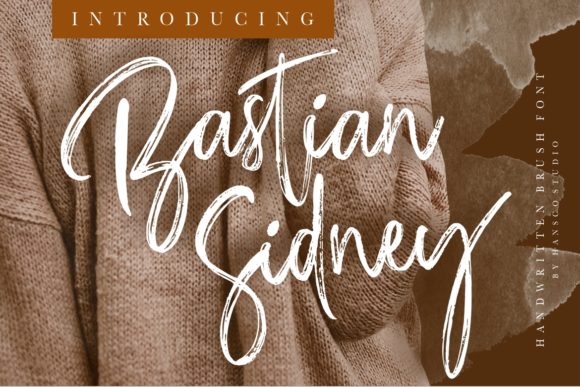
To understand why a designer might choose Bastian Sidney, one must first analyze its visual anatomy. The font is defined by its "brushed" style, which simulates the varying pressure of a brush stroke. This results in lines that vary in thickness, creating a dynamic texture that feels organic rather than manufactured. The term "cool" in its description suggests a modernized take on classic calligraphy, avoiding the overly ornate or Victorian feel often associated with traditional script fonts.
The primary appeal of this typeface lies in its ability to convey movement and personality. It is not designed for long-form body text where legibility is paramount. Instead, it functions best as a display type. The strokes are connected in a way that suggests flow, making it ideal for short phrases, headlines, and graphical elements where visual impact is more important than informational density. The font's structure allows it to retain the casual energy of handwriting while maintaining enough consistency to be usable in commercial contexts.
Primary Applications and Use Cases
When evaluating whether Bastian Sidney aligns with your specific goals, it is essential to consider the environments where this font excels. Its versatility allows it to be integrated into various media formats, provided the usage respects its limitations as a display font.
- Logo Design: For brands seeking a personal, artisanal, or creative identity, Bastian Sidney can serve as a strong foundation. It works particularly well for businesses in the lifestyle, food, fashion, and creative agency sectors where a human touch is desired over corporate rigidity.
- Product Branding: On packaging, this font can distinguish a product from competitors using standard typography. The textured look adds depth to labels, suggesting that the contents are handmade or crafted with care.
- Posters and Print Media: In large-format printing, the varying stroke widths of Bastian Sidney create excellent contrast against solid backgrounds. It captures attention effectively at a distance, making it suitable for event posters, album covers, and promotional flyers.
- Social Media Graphics: As digital platforms increasingly favor authentic, user-generated content aesthetics, Bastian Sidney fits naturally into Instagram stories, Facebook banners, and Pinterest pins. It helps social posts appear less polished and more relatable.
Benefits and Strengths
The decision to use Bastian Sidney often stems from specific advantages it offers over other script options. One of the most significant benefits is its unique character. In a sea of uniform fonts, the brushed texture provides immediate visual interest without requiring additional graphic embellishments. This can streamline the design process, allowing the typography itself to carry the emotional weight of the message.
Furthermore, the font's modern interpretation of script makes it accessible to contemporary audiences. It avoids the stiffness of formal calligraphy, making it approachable for younger demographics or brands aiming for a relaxed vibe. The "cool" factor implies a trend-awareness that can help designs feel current rather than dated. When paired correctly with clean sans-serif body text, Bastian Sidney creates a balanced composition that leverages the strengths of both styles.
Tradeoffs and Limitations
While Bastian Sidney offers distinct advantages, it is not a universal solution. Designers must be aware of the inherent tradeoffs when incorporating this font into a project. The most significant limitation is legibility. Due to the connected nature of the letters and the variation in stroke width, reading extended passages of text becomes difficult and fatiguing for the viewer. Consequently, it should never be used for paragraphs, terms of service, or detailed instructions.
Another consideration is technical compatibility. Brushed scripts can sometimes present challenges during web implementation if the font file is not optimized. Rendering issues may occur on lower-resolution screens, where the fine details of the brush strokes could blur or disappear entirely. Additionally, the font's specific style may clash with industries that require a sense of authority, stability, or minimalism, such as finance, law, or healthcare. Using a playful, handwritten-style font in these contexts could undermine the perceived professionalism of the brand.
Comparative Considerations
When selecting a typeface, it is helpful to compare Bastian Sidney against alternatives. If a project requires a script font but demands higher legibility, a cursive font with more open counters might be a better choice. Conversely, if the goal is a more formal or elegant look, a traditional calligraphic script would be more appropriate. Bastian Sidney sits in a middle ground: it is more structured than a true marker-style font but more casual than a formal copperplate script.
Designers should also evaluate the weight and spacing of the font family. A robust brushed script like Bastian Sidney often lacks the subtle variations found in high-end custom typefaces. If a project requires extreme customization or precise kerning adjustments across thousands of characters, a more versatile system font might offer better control. However, for short, impactful statements, the pre-set spacing and character shapes of Bastian Sidney are usually sufficient.
Decision-Making Insights
Determining whether Bastian Sidney is the right choice ultimately depends on the specific objectives of the design brief. To make an informed decision, consider the following questions:
- What is the primary function of the text? If the text needs to inform quickly and clearly, avoid this font. If the text is meant to evoke emotion or set a mood, it is a strong candidate.
- Who is the target audience? Does the audience respond well to informal, artistic, or boutique aesthetics? If so, Bastian Sidney will likely resonate. If the audience expects formality, reconsider.
- Where will the design appear? High-contrast print environments favor this font. Low-light or small-screen mobile interfaces may require testing to ensure the details remain visible.
- How will it pair with other elements? Ensure there is sufficient contrast between Bastian Sidney and any accompanying body text. A neutral sans-serif is typically the safest pairing.
By focusing on these practical factors, designers can move beyond surface-level aesthetics and select a typeface that serves the functional needs of the project. Bastian Sidney remains a valuable tool for those looking to inject creativity and a human element into their work, provided it is applied with an understanding of its limitations.
Conclusion
Bastian Sidney represents a specific niche in the world of typography: the intersection of handcrafted charm and modern design utility. It is neither a replacement for standard body text nor a generic decorative element. Instead, it is a strategic choice for designers who need to communicate warmth, creativity, and individuality. By carefully weighing its benefits against its constraints, professionals can determine if this cool brushed script font is the ideal vehicle for their brand story.